
I’m very happy to ahead a Purple Coronary heart Medal and Certificates to you for service at Guadalcanal in August of 1942. Males comparable to you who’ve made nice contributions to the grand heritage of the Coast Guard make me proud to be a member of our service.
Capt. James Father or mother, Workplace of Personnel, U.S. Coast Guard, 1984
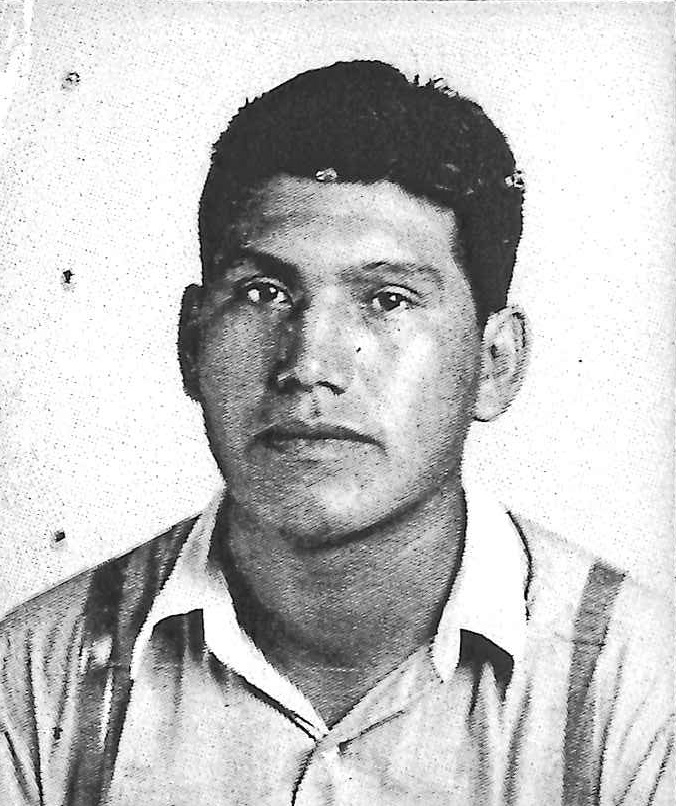 Native American Joseph Robert Toahty hailed from a big and patriotic household. At a time when Native People had been denied many fundamental rights, he and 6 brothers fought valiantly in World Conflict II. In 1984, he instructed a newspaper reporter, “At one time, my mom had a son in each department of the service.”
Joseph Toahty was born in Oklahoma in 1919. He was half Pawnee and half Kiowa Indian and inherited the identify Le-Tuts-Taka (“White Eagle”) from his grandfather, Pawnee Chief White Eagle, who served honorably as a U.S. Military scout throughout and after the Civil Conflict. Joseph Toahty was additionally a graduate of the well-known Haskell Institute for Native People in Lawrence, Kansas. After graduating from Haskell, he labored as a carpenter on the Military base at Fort Sill, Oklahoma, and served within the Kansas Nationwide Guard.
In June 1941, six months earlier than the U.S. entered the battle, Toahty enlisted within the Coast Guard. Throughout his ti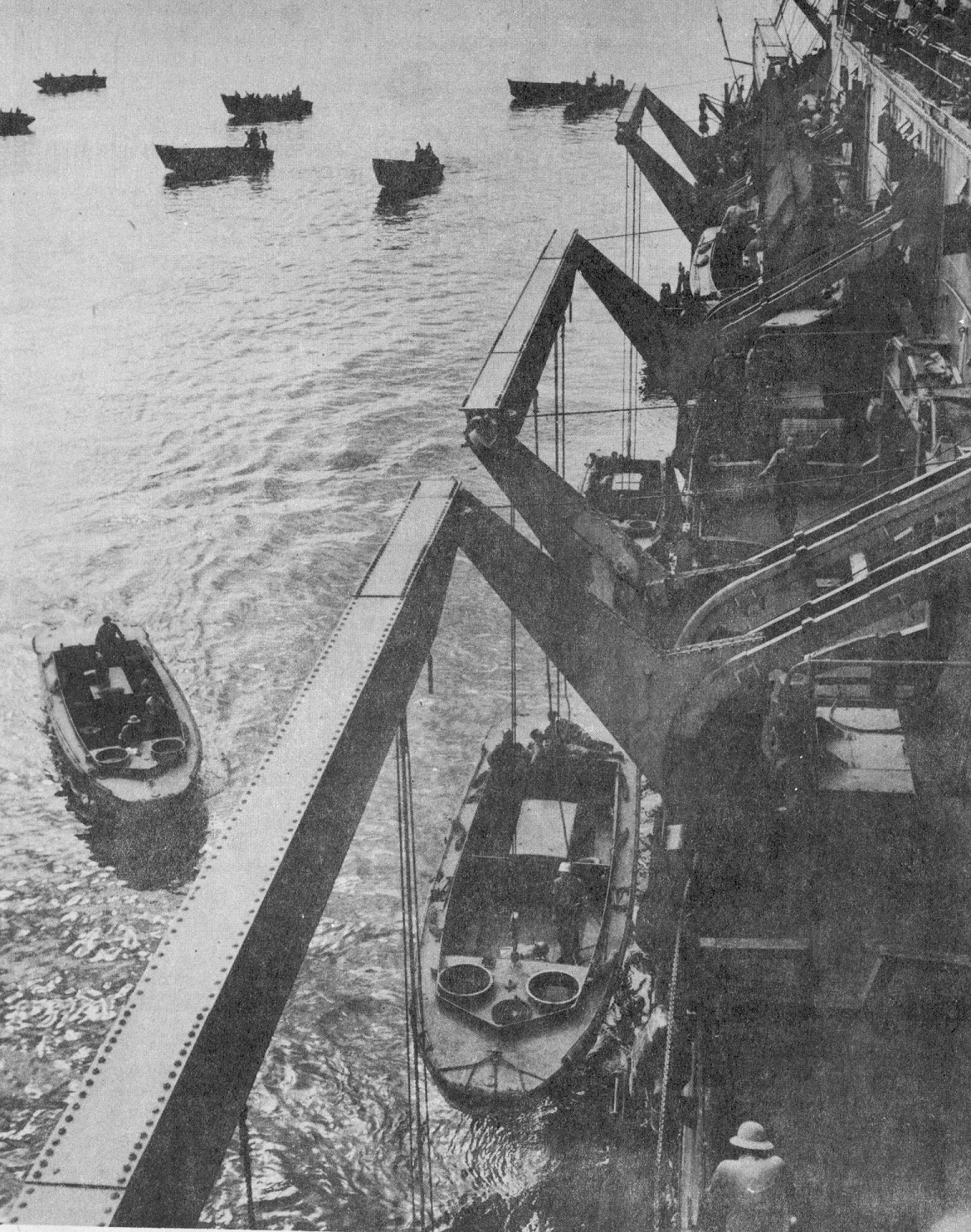 me within the service, Toahty and the Coast Guard would set up a file of firsts. After enlisting, he turned the primary Pawnee Indian to go to sea. Through the battle, Toahty additionally turned the primary Native American to take part in a U.S. naval offensive operation and the primary to set foot in enemy territory.
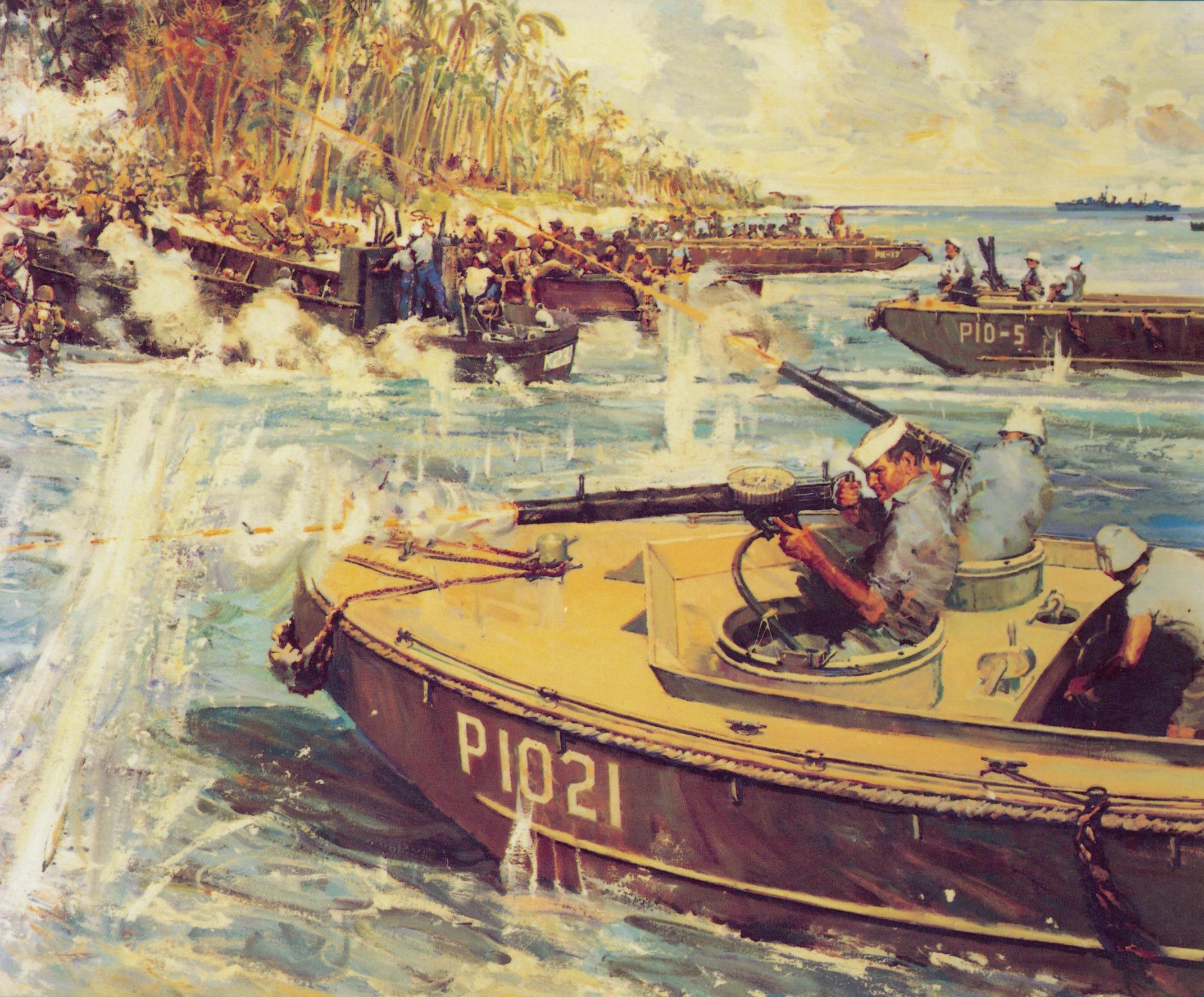
In 1942, Toahty deployed to Guadalcanal, the Allies’ first amphibious operation of World Conflict II. At Guadalcanal, the Coast Guard established its personal Naval Working Base (NOB) for the primary time in its historical past. The code identify for this Coast Guard-run navy base was NOB “Cactus.” At its peak, NOB Cactus included about 30 touchdown craft, automobile, personnel (LCVPs), also called Higgins Boats, and a dozen bow-ramped tank lighters. Fifty officers and enlisted males ran the bottom. This crew included Medal of Honor recipient Douglas Munro, Navy Cross recipient Ray Evans, Silver Star recipient Dwight Dexter and 23-year-old Purple Coronary heart recipient Joseph 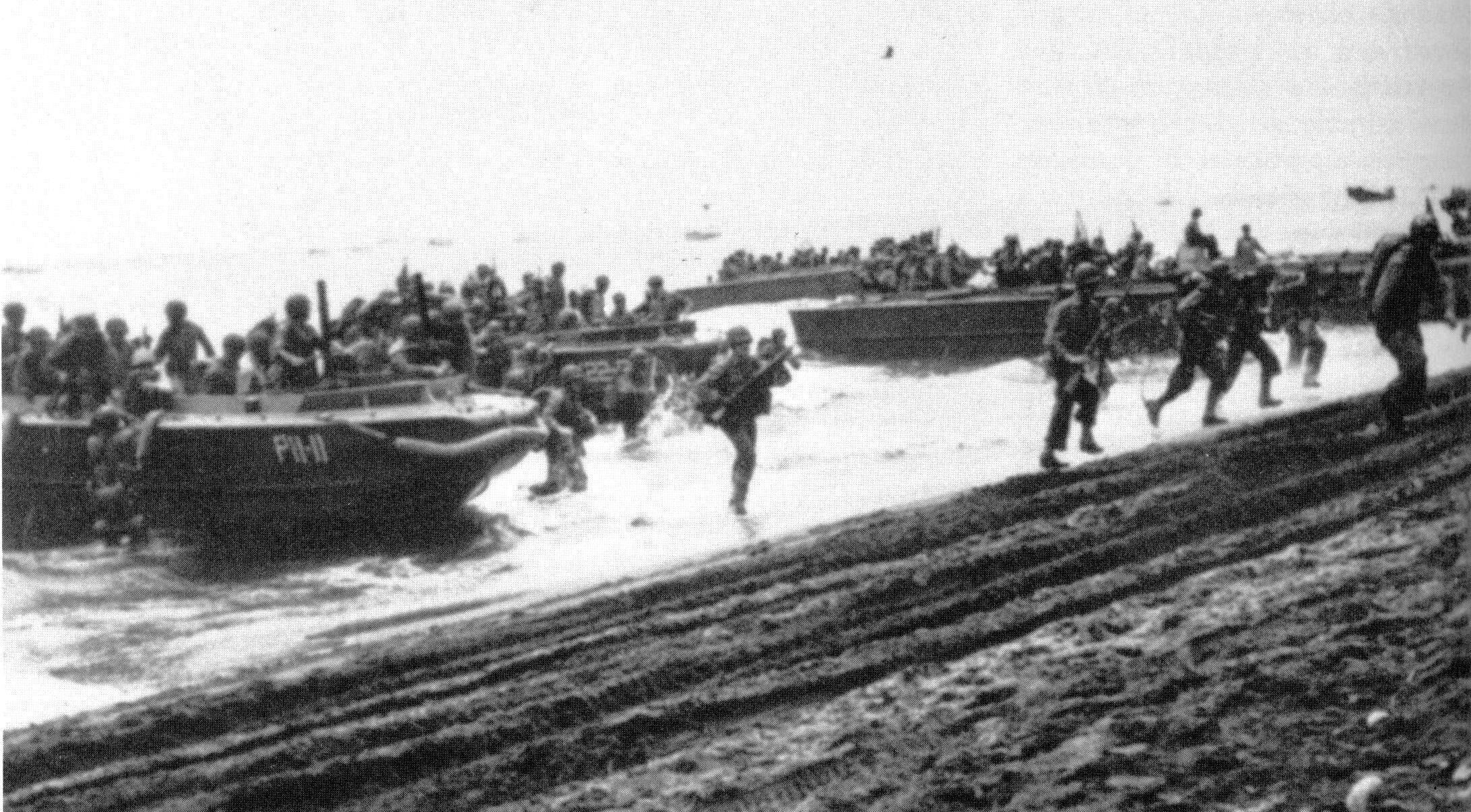 Toahty. All would obtain the Presidential Unit Quotation for “excellent gallantry” reflecting “braveness and willpower … of an inspiring order.”
NOB Cactus’s main mission was to ferry troops and provides from transport ships to the seashores of Guadalcanal. Nevertheless, Toahty’s unit did way more than merely supplying the troops. It supplied an vital radio and communications hyperlink between land 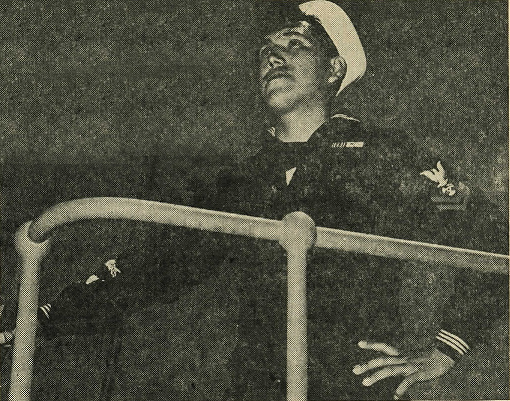 forces and offshore vessels. Its craft navigated the waters off Guadalcanal and islands so far as 60 miles away to land Marines and retrieve them when vital. Its boats inserted reconnaissance groups led by British Colonial Forces officers behind enemy strains. Within the aftermath of close to each day aerial dogfights and naval battles, NOB watercraft took to open water to retrieve American survivors and Japanese prisoners. For a time, NOB personnel even fitted their touchdown craft with depth expenses and carried out nightly anti-submarine patrols. Coast Guard personnel additionally helped defend Marine Corps positions by supplying artillery items and offering infantry assist.
NOB Cactus included an odd assortment of coconut plantation buildings, selfmade shacks and tents, and log-reinforced dugout shelters. The Coast Guard members stationed there used the dugout bomb shelters regularly on account of common enemy bombing, naval shelling, and artillery fireplace. Throughout considered one of these bombardments, Toahty and 7 others took cowl in one of many bomb shelters. The big foxhole suffered a direct hit, killing all occupants besides Toahty and one different survivor. After regaining consciousness, Toahty suffered from a extreme concussion with heavy bleeding from his nostril, ears, and mouth. After visiting the Marine Corps infirmary, he acquired therapy and returned to responsibility with no file of his wound. 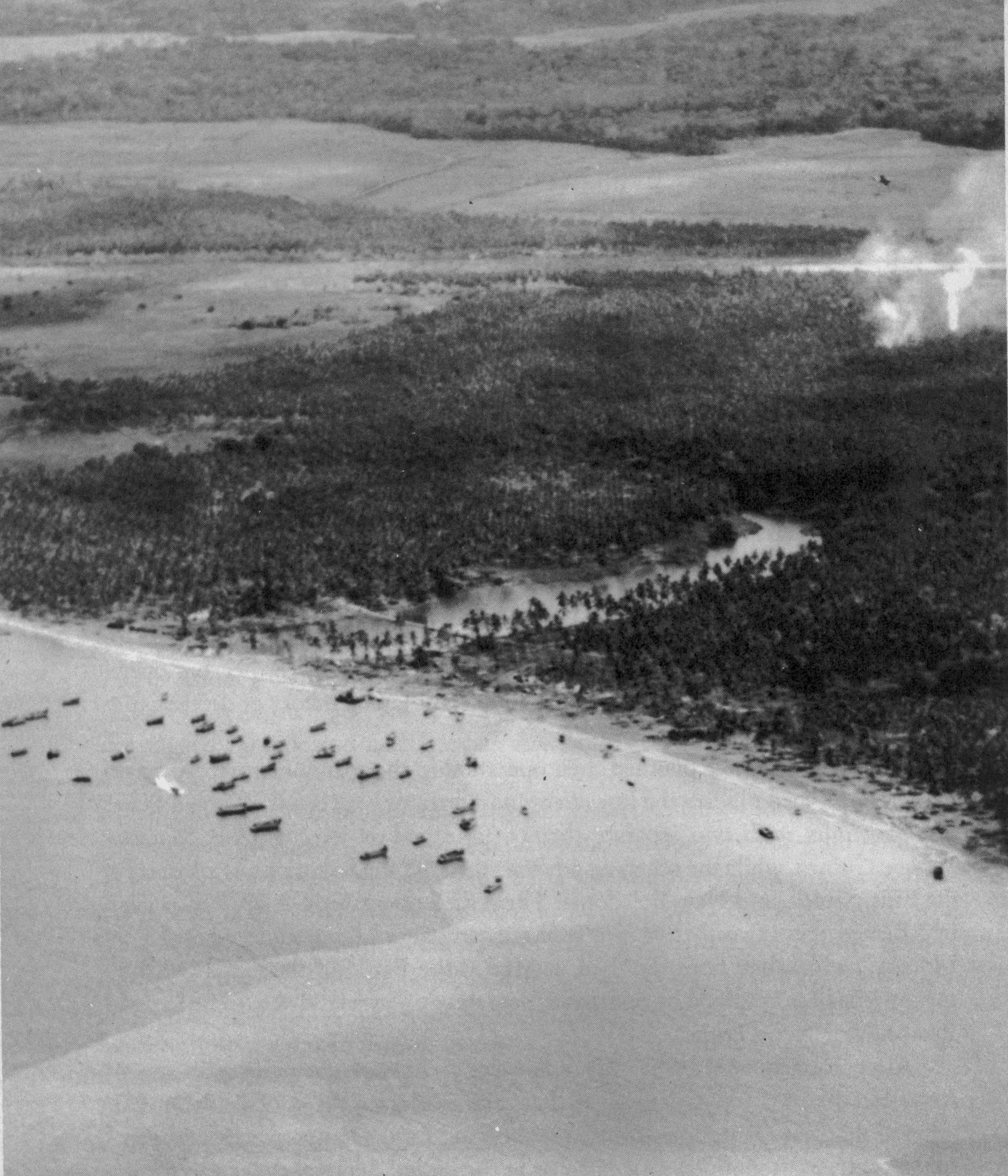
In January 1943, Toahty rotated off the island with battle weary components of the Coast Guard and First Marine Division. When he left the island, the battle for Guadalcanal had entered its sixth month. By then, the Marines had secured the Allied place on the island and components of the U.S. Military relieved them. Toahty redeployed to New Zealand the place native Polynesians hosted a day-long ceremony in his honor. In keeping with Toahty, he “was the primary American Indian they’d ever seen.” Toahty recalled that the natives “handled me as if I had been a king; and actually one of many dances they carried out was reserved strictly for royalty. I hated to depart that village.”
 Like many who served on Guadalcanal, Toahty had contracted malaria. His case was notably extreme and led to critical sickness and hospitalization. However malaria didn’t cease Toahty. He prolonged his enlistment two extra years and returned residence from the Pacific to serve at numerous models stateside. He additionally turned a Conflict Bond hero, taking part in drives throughout the U.S. For instance, he participated within the “Again Salerno Airmada” with different heroes and celebrities, comparable to film star William “Hopalong Cassidy” Boyd. He later toured with Iwo Jima marine hero Ira Hayes, Medal of Honor recipient movie star Audie Murphy and the “Hollywood Cavalcade” of m
 ovie stars. In 1945, after struggling virtually month-to-month assaults from malaria, he acquired an honorable medical discharge.
Guadalcanal was one of the crucial adorned fight operations in Coast Guard historical past. President Franklin Roosevelt awarded the Presidential Unit Quotation (PUC) to the “First Marine Division, Bolstered” with the phrase “Bolstered” honoring assist models, such because the Coast Guard members serving on the island. Along with the PUC (which equates to the Navy Cross Medal on a person foundation), Toahty was promoted from fireman top quality to motor machinist’s mate second class. In 1984, the Coast Guard introduced Toahty the 4 marketing campaign medals he earned for wartime service and the long-overdue Purple Coronary heart Medal for wounds suffered from the direct hit on his bomb shelter at Guadalcanal.
Joseph Toahty lived and labored in Oklahoma Metropolis after he left the service. He was energetic in Native American and army organizations and, in retirement, he helped Vietnam veterans with Agent Orange well being profit claims. He handed away in Oklahoma Metropolis in 1997 on the age of 77. Toahty is among the many 1000’s of distinguished Coast Guard fight veterans who served within the lengthy blue line.